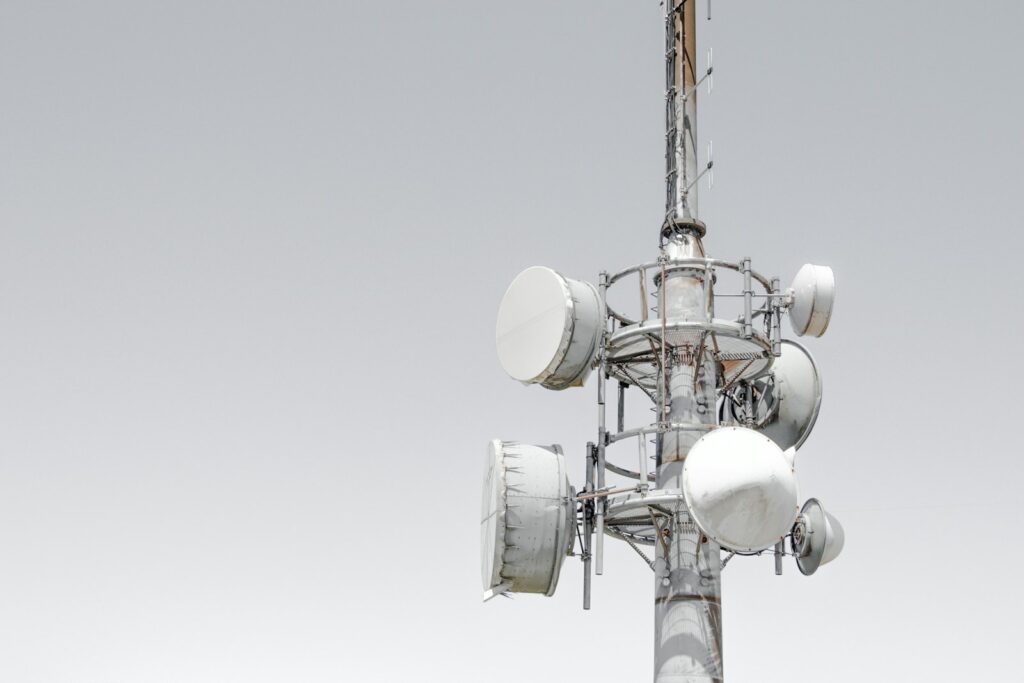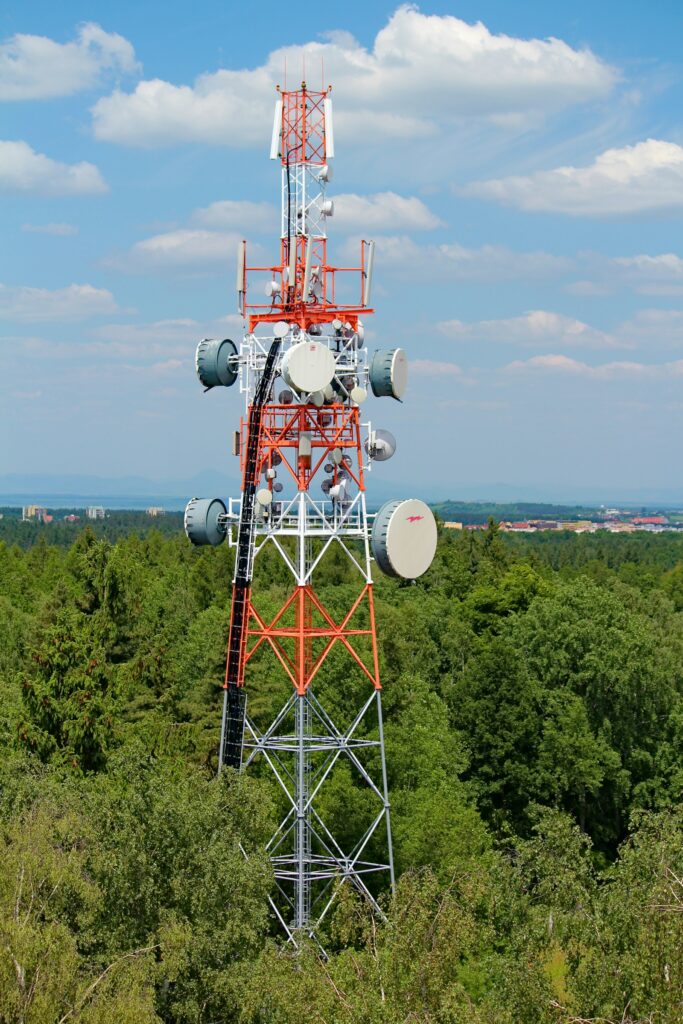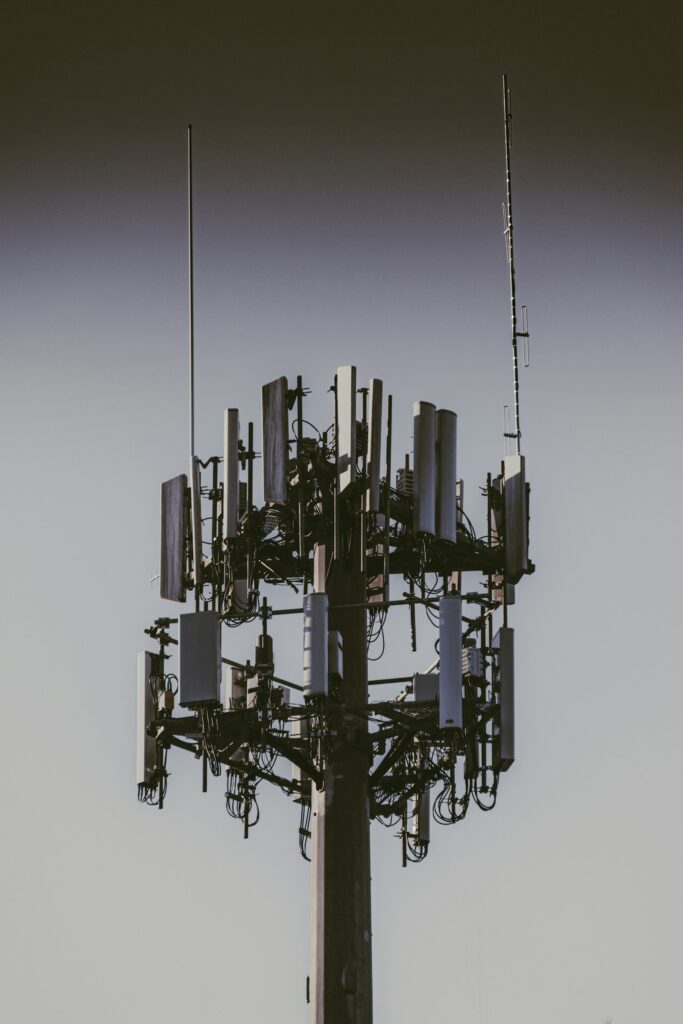
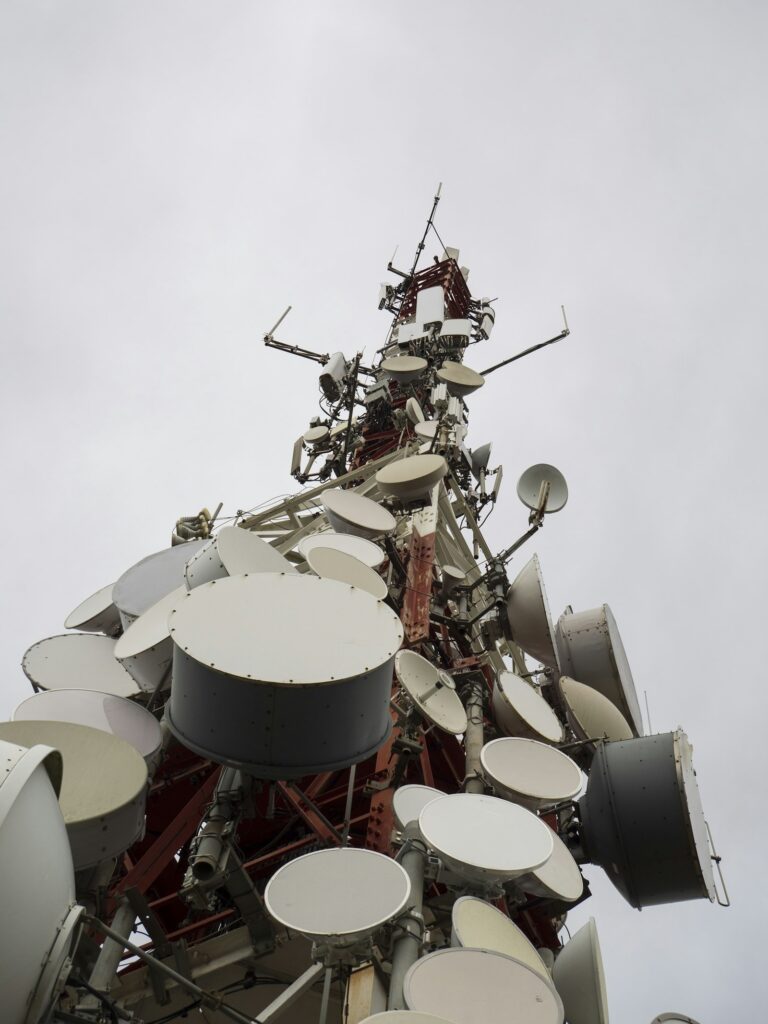
Ericsson AIR antennas put the radio and the antenna in one unit, which cuts cabling and saves space on the mast. On 5G mid-band sites, they pair with RAN Compute basebands that run the radio network.
This guide explains how Ericsson AIR antennas and Massive MIMO work, how they connect to basebands and what to check before you buy. It also lists the AIR 6449, AIR 6488 and Baseband 6651 parts we supply, new and used, tested before they ship.
What Ericsson AIR antennas are
In short, AIR stands for antenna integrated radio. Instead of a separate radio with jumpers to a passive antenna, the radio sits inside the antenna housing. As a result, there are fewer parts on the tower and fewer cable losses.
Ericsson AIR antennas belong to Ericsson Radio System, next to remote radios and RAN Compute. You can see the full lineup on Ericsson's RAN pages.
Massive MIMO and Ericsson AIR antennas
Massive MIMO units go a step further. In fact, they combine the radio, the antenna and some baseband functions in one unit. Because they use many antenna elements, they can steer beams toward users and lift capacity in busy areas.
Ericsson also builds Massive MIMO units for both TDD and FDD spectrum. For example, the AIR 6449 B43 (KRD901203/11) is a Massive MIMO unit for Band 43 (3.7 GHz). Meanwhile, the AIR 6488 B43 (KRD901096/11) is an AIR unit for the same band, built for 5G.
AIR 6449 vs AIR 6488 for Band 43
Both Ericsson AIR antennas cover Band 43, so the choice comes down to the site design you already run. If you are replacing a failed unit, match the model and part number exactly. That way the baseband, the software and the site plan all stay valid.
Do not mix the two on one sector unless your RAN team approves it. Even though they share a band, they are different models with different part numbers.
RAN Compute basebands
RAN Compute is Ericsson's baseband portfolio. It includes indoor and outdoor units for macro and micro sites, and each unit can run several radio technologies at once. So one baseband can serve LTE and 5G NR on the same site.
Baseband 6651
The RAN Processor 6651, also called the Baseband 6651 (KDU1370093/11), is a high-capacity unit for 4G and 5G sites. As a result, it suits sites with heavy traffic on both technologies.
Other basebands you may see
Older sites often run the Baseband 5212, Baseband 5216 or Baseband 6630. Their part numbers start with KDU, such as KDU137925/41 for the 5212 and KDU137925/31 for the 5216. In addition, the Baseband 6630 appears as KDU137848/11. Send us the number from your label, and we will quote the exact unit.
Ericsson AIR antennas part numbers we supply
The table lists every part in this family. Each part number also links to its inventory page.
| Part number | Product | Notes |
|---|---|---|
| KRD901096/11 | AIR 6488 B43 | 5G antenna integrated radio, Band 43 (3.7 GHz) |
| KRD901203/11 | AIR 6449 B43 | Massive MIMO, Band 43 (3.7 GHz) |
| KDU1370093/11 | Baseband 6651 (RAN Processor 6651) | High-capacity 4G and 5G baseband |
For radios that are not antenna integrated, see our Radio 22xx, 44xx and 88xx guide. For older RUS and RRUS radios, see our RBS 6000 spares guide.
How to choose Ericsson AIR antennas and basebands
A good buy starts with the unit on site, then works back to the baseband and fronthaul. Check these three areas before you order.
Match band and duplex mode
For example, Band 43 units work in the 3.7 GHz range. Confirm the band on the existing unit before you order. Also check whether the site runs TDD or FDD, since the unit must match the spectrum plan.
Check baseband capacity and software
Massive MIMO adds load to the baseband. Before you add AIR units, check that the baseband has spare capacity and the right software release. If it does not, a higher-capacity unit such as the Baseband 6651 may be part of the upgrade.
Plan the fronthaul
Some radios use CPRI, while newer setups move to eCPRI over packet fronthaul. Ericsson Radio Gateways convert CPRI to eCPRI, so older CPRI radios can share the same fronthaul. Map these links before you buy, so that every unit has a path to the baseband.
Common mistakes with Ericsson AIR antennas
Most problems with Ericsson AIR antennas come from small checks that get skipped. Watch for these four.
- Ordering by band alone, when the AIR 6449 B43 and AIR 6488 B43 share a band but not a part number.
- Adding units without checking baseband capacity, which can leave new sectors short of processing power.
- Forgetting the fronthaul, so that a new unit has no clean path to the baseband.
- Ignoring software, since the baseband release must support the AIR model you add.
New vs used Ericsson AIR antennas
New units suit fresh 5G builds where you want the longest service life. However, a tested used unit is a smart fit for spares and like-for-like swaps. Silverback tests used AIR and baseband units before they ship, and you can ask for new or used condition.
Read refurbished vs new hardware for the full comparison. Every Silverback quote names the exact part number, so you know what arrives.
Buyback and data security for basebands
Basebands hold site configuration, so treat them with care when you retire them. Silverback buys back decommissioned basebands and Ericsson AIR antennas, and offers certified data destruction. In addition, our ITAD process runs under R2v3, ISO 14001 and ISO 45001.
Send us the part number and get pricing and lead time within one business day. You can also browse our inventory, ask for a quote on a full list, or see the Ericsson buying guide for the rest of the portfolio.
Frequently Asked Questions
What does AIR mean in Ericsson AIR 6449?
AIR stands for antenna integrated radio. The radio sits inside the antenna housing instead of in a separate box.
Which band do the AIR 6449 B43 and AIR 6488 B43 cover?
Both cover Band 43, the 3.7 GHz range, and both serve 5G sites.
Is the Baseband 6651 the same as the RAN Processor 6651?
Yes. Both names refer to part KDU1370093/11, a high-capacity baseband for 4G and 5G.
Do you supply other Ericsson basebands?
Yes. Send us the KDU part number from the label, such as a Baseband 5216 or 6630, and we quote it within one business day.
Can I sell back old Ericsson AIR antennas?
Yes. Silverback buys back decommissioned AIR units and basebands, with certified data destruction for units that hold data.
Get a quote for Ericsson AIR antennas and basebands
Send us the part numbers, quantities and the condition you want. We reply with pricing and lead time within one business day.
Call (888) 391-5211 or use our online quote form. Silverback supplies new and used Ericsson AIR antennas and basebands, tested before they ship.