

The Recycled Hard Drive That Cost a Healthcare Practice More Than Its Reputation
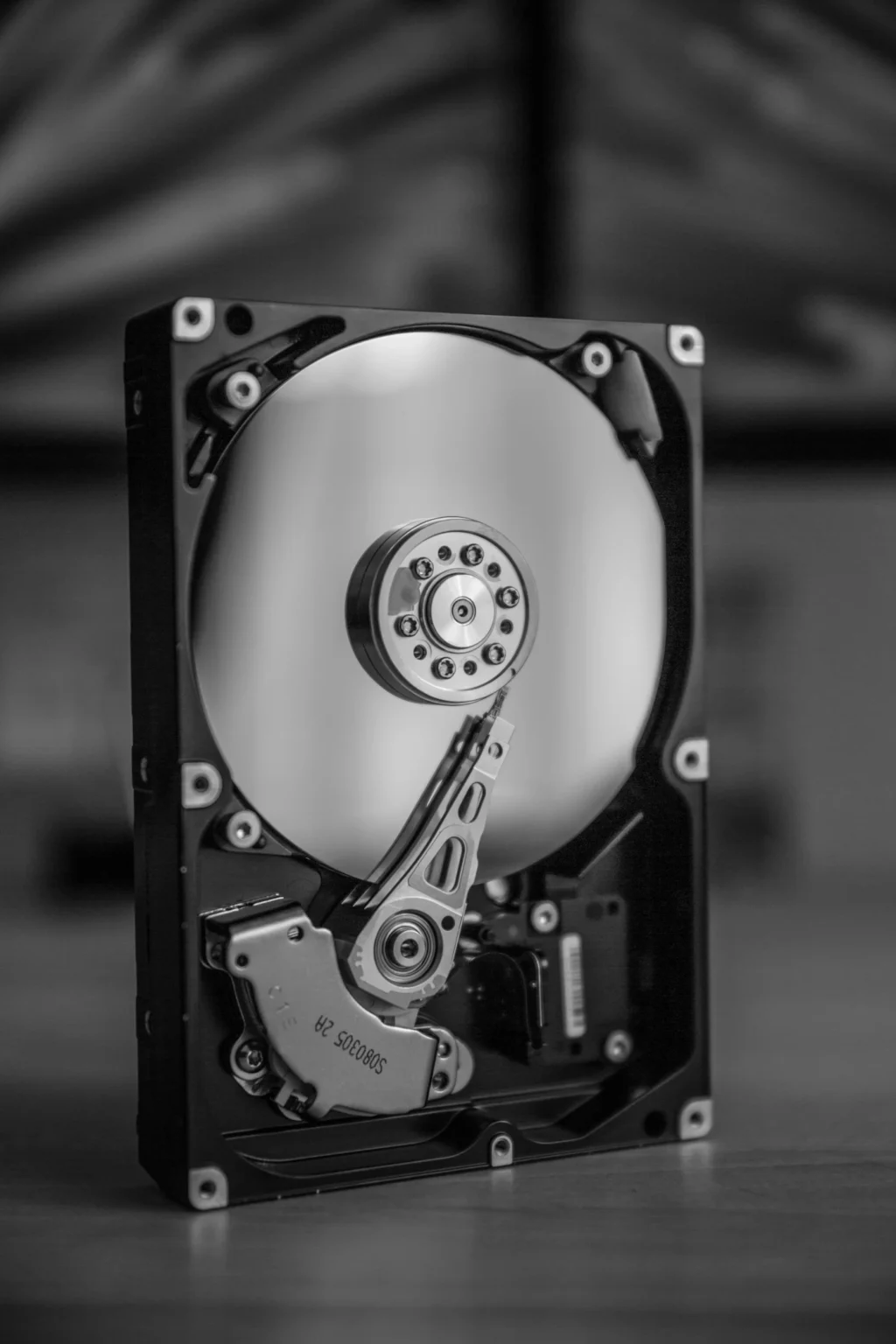
A medical practice upgraded its computers after years of daily use, and the gap in its process shows exactly why HIPAA-compliant data disposal matters so much. The old laptops and hard drives got removed, boxed up, and sent to a local recycler. The staff believed the devices had been “cleaned” because someone had deleted the files and reset the systems.
Then, months later, patient information turned up on one of the retired drives.
Medical histories, insurance details and contact information: Protected Health Information (PHI) that should never have left the practice.
The incident triggered an investigation, required patient notifications, damaged trust, and exposed the organization to significant compliance concerns.
The hardware wasn’t the problem. Instead, the retirement process was.
Healthcare organizations invest heavily in protecting patient information while devices are in use. Firewalls, access controls, encryption, and secure networks all help safeguard electronic Protected Health Information (ePHI). But when computers, servers, medical devices, or storage media reach the end of their lifecycle, many organizations overlook one critical question: how do we ensure patient data is permanently removed before these devices leave our control?
HIPAA compliance doesn’t end when someone unplugs a device. Protecting patient information includes the secure retirement and disposal of every device that stores, processes, or transmits PHI.
The Problem: PHI Doesn’t Retire When Your Hardware Does
Healthcare organizations replace technology every day. Workstations get upgraded, servers get retired and storage arrays get replaced, while medical devices reach end-of-life and mobile devices get refreshed.
What many organizations don’t realize is that the information stored on those devices often remains long after someone removes them from service. Deleting patient files or performing a factory reset doesn’t necessarily eliminate the underlying data. Depending on the storage media and sanitization method used, sensitive information may still be recoverable.
This creates a significant compliance and security concern, because retired devices frequently contain:
- Electronic health records (EHRs)
- Patient names and contact information
- Insurance and billing records
- Diagnostic images
- Prescription histories
- Physician notes
- Employee information
- Login credentials and system configurations
Every retired device containing PHI represents a potential compliance risk if organizations don’t manage it through a secure and documented IT Asset Disposition (ITAD) process, which is the foundation of HIPAA-compliant data disposal. The responsibility to protect patient information extends throughout the entire lifecycle of the device, including its retirement.
Why HIPAA-Compliant Data Disposal Matters
Healthcare organizations are trusted with some of the most sensitive information an individual can share. Patients expect that information to remain confidential whether it’s stored on an active server, archived in a backup system, or sitting on a retired hard drive waiting for disposal.
Proper IT asset disposal helps organizations protect more than compliance, it protects patient trust.
Protecting Patient Privacy
The primary objective of secure data destruction is preventing unauthorized access to Protected Health Information. Treat every retired device as though it still contains sensitive patient data until you’ve verified otherwise. Maintaining that mindset helps reduce unnecessary risk throughout the retirement process.
Supporting HIPAA Compliance
HIPAA requires covered entities and business associates to implement appropriate safeguards for protecting electronic Protected Health Information. Although technology eventually reaches the end of its useful life, the responsibility to safeguard PHI continues until someone has securely disposed of the information using appropriate methods.
Organizations should be prepared to demonstrate that they handled retired devices through documented, secure processes rather than informal disposal practices.
Preserving Patient Trust
Trust is foundational to healthcare. Patients expect healthcare providers to protect their personal information throughout every interaction, including how they retire technology containing their records. A single disposal mistake can undermine years of patient confidence.
Reducing Organizational Risk
Healthcare organizations face operational, legal, financial, and reputational risks when PHI is improperly managed. Implementing a structured IT Asset Disposition process helps reduce uncertainty while supporting consistent, repeatable handling of retired technology assets.
What Devices Need HIPAA-Compliant Data Disposal?
Many healthcare organizations associate PHI primarily with servers or electronic medical record systems. In reality, patient information may exist on a much wider range of devices than expected. Examples include:
- Desktop computers
- Laptops
- Servers
- External hard drives
- Backup systems
- Storage arrays
- USB storage devices
- Network-attached storage (NAS)
- Medical imaging systems
- Diagnostic equipment
- Multifunction printers and copiers with internal storage
- Mobile devices used for patient care
Even equipment that appears obsolete or unused may still contain recoverable information. This is why organizations should inventory every data-bearing device before retirement, rather than assuming only primary systems need secure disposal.
Understanding HIPAA-Compliant Data Disposal Expectations
HIPAA doesn’t prescribe a single method for destroying retired hardware. Instead, it requires organizations to implement reasonable and appropriate safeguards to ensure that no one can access Protected Health Information after retiring equipment.
For healthcare organizations, this means developing documented procedures that address:
- Identification of devices containing PHI
- Secure handling during retirement
- Appropriate data sanitization methods
- Asset tracking throughout the disposition process
- Verification that disposal activities are complete
- Documentation supporting audit readiness
Rather than viewing disposal as the final administrative task after a technology refresh, HIPAA encourages organizations to treat HIPAA-compliant data disposal as an essential part of protecting patient information throughout the technology lifecycle. A structured IT Asset Disposition process helps healthcare providers build data security, documentation, and accountability into every stage of hardware retirement.
Building a HIPAA-Compliant Data Disposal Process
Protecting Protected Health Information (PHI) doesn’t end when someone takes a device out of service. Healthcare organizations need a repeatable process that ensures every retired asset gets handled securely from collection through final disposition.
A strong IT Asset Disposition (ITAD) program combines data security, documentation, and accountability to help reduce risk while supporting compliance obligations.
Identify Every Device That Stores PHI
The first step is understanding where patient information exists. Many organizations focus on servers and workstations but overlook devices such as multifunction printers, backup appliances, external storage, diagnostic equipment, and mobile devices. Identify every data-bearing asset and include it in the retirement plan before equipment leaves the facility.
Maintaining an accurate inventory helps ensure that no device gets forgotten during the disposition process.
Secure Data Before Equipment Leaves Your Facility
Never transport retired equipment under the assumption that someone has already removed patient data. Healthcare organizations should establish documented procedures for data sanitization using methods appropriate for the storage media and organizational requirements. Verify data destruction before approving equipment for resale, reuse, recycling, or disposal.
Treat every retired device as though it still contains sensitive patient information until secure sanitization is complete.
Maintain Chain of Custody
Knowing where retired assets are, and who’s responsible for them, is critical throughout the disposal process. A documented chain of custody records:
- Asset identification and serial numbers
- Collection dates and locations
- Custody transfers
- Transportation details
- Processing milestones
- Final disposition
This documentation gives healthcare organizations greater accountability while supporting audit readiness and internal governance.
Work With Qualified ITAD Partners for HIPAA-Compliant Data Disposal
Healthcare organizations should carefully evaluate the providers responsible for handling retired equipment. An experienced IT Asset Disposition partner should demonstrate secure handling procedures, documented chain of custody, data destruction capabilities, transparent reporting, and responsible recycling practices.
Selecting the right partner helps reduce operational risk while supporting the organization’s broader information security and compliance objectives.
Common HIPAA-Compliant Data Disposal Mistakes to Avoid
Even organizations with mature security programs can create unnecessary risk during hardware retirement.
Assuming factory reset is enough. A factory reset restores a device to its default settings, but it doesn’t necessarily ensure someone has permanently removed sensitive information. Healthcare organizations should verify that appropriate data sanitization methods are complete before retired equipment leaves their control.
Forgetting non-traditional devices. Patient information isn’t stored only on servers. Copiers, multifunction printers, portable storage devices, diagnostic equipment, and backup systems may also retain electronic Protected Health Information. Include every data-bearing device in the organization’s asset inventory and retirement process.
Delaying hardware disposal. Retired devices that remain in storage continue to present both security and operational challenges. The longer equipment sits unmanaged, the greater the possibility of misplaced assets, incomplete inventories, or unauthorized access. Timely disposition helps reduce these risks while simplifying lifecycle management.
Failing to maintain documentation. Secure disposal should always come with documentation. Organizations should maintain records of asset inventories, chain of custody, data destruction activities, and final disposition reports to demonstrate that they managed retired devices through a secure and accountable process.
Expert Insight on HIPAA-Compliant Data Disposal
For healthcare organizations, protecting patient information extends beyond daily operations. Every device that stores or processes PHI remains part of an organization’s security responsibility until someone has securely removed its data and documented its final disposition.
By building IT Asset Disposition into their broader information security program, healthcare providers can strengthen data protection, improve operational accountability, and support HIPAA-compliant data disposal throughout the entire technology lifecycle.
Secure disposal isn’t simply the last step of a hardware refresh, it’s the final safeguard protecting patient information.
Frequently Asked Questions About HIPAA-Compliant Data Disposal
Yes, healthcare organizations are expected to implement reasonable and appropriate safeguards to ensure that no one can access electronic Protected Health Information (ePHI) after retiring devices.
In addition to servers and computers, PHI may exist on laptops, external drives, backup systems, medical devices, copiers, multifunction printers, storage arrays, and mobile devices.
A documented chain of custody helps organizations maintain accountability by tracking retired assets throughout collection, transportation, processing, and final disposition.
Yes, many healthcare organizations partner with qualified IT Asset Disposition providers to support secure data destruction, asset tracking, reporting, and responsible equipment disposition.
Protect Patient Data Beyond the Life of Your Technology
Patient information deserves protection from the moment it’s created until someone securely retires the technology storing it. A structured approach to HIPAA-compliant data disposal helps healthcare organizations safeguard PHI, strengthen accountability, and support compliance throughout every stage of the technology lifecycle.
Partner with Silverback Communications for secure IT asset disposition solutions designed to help healthcare organizations retire technology with confidence while protecting sensitive patient information.
Want to evaluate your current disposal process? Download our Healthcare IT Asset Disposal Compliance Checklist to identify gaps, strengthen data protection, and improve your organization’s hardware retirement strategy.
Keep reading
IT Equipment Lease Return: Avoiding Penalties and Data Risk
Plan your IT equipment lease return to avoid penalties and protect data with a clear, step-by-step process.
SSD Data Destruction Guide: Why SSDs Are Different
Why wiping fails on flash drives, and which methods actually remove your data from SSDs.

How to Choose an ITAD Vendor
The certifications, data security checks and red flags that separate a safe ITAD partner from a liability.