
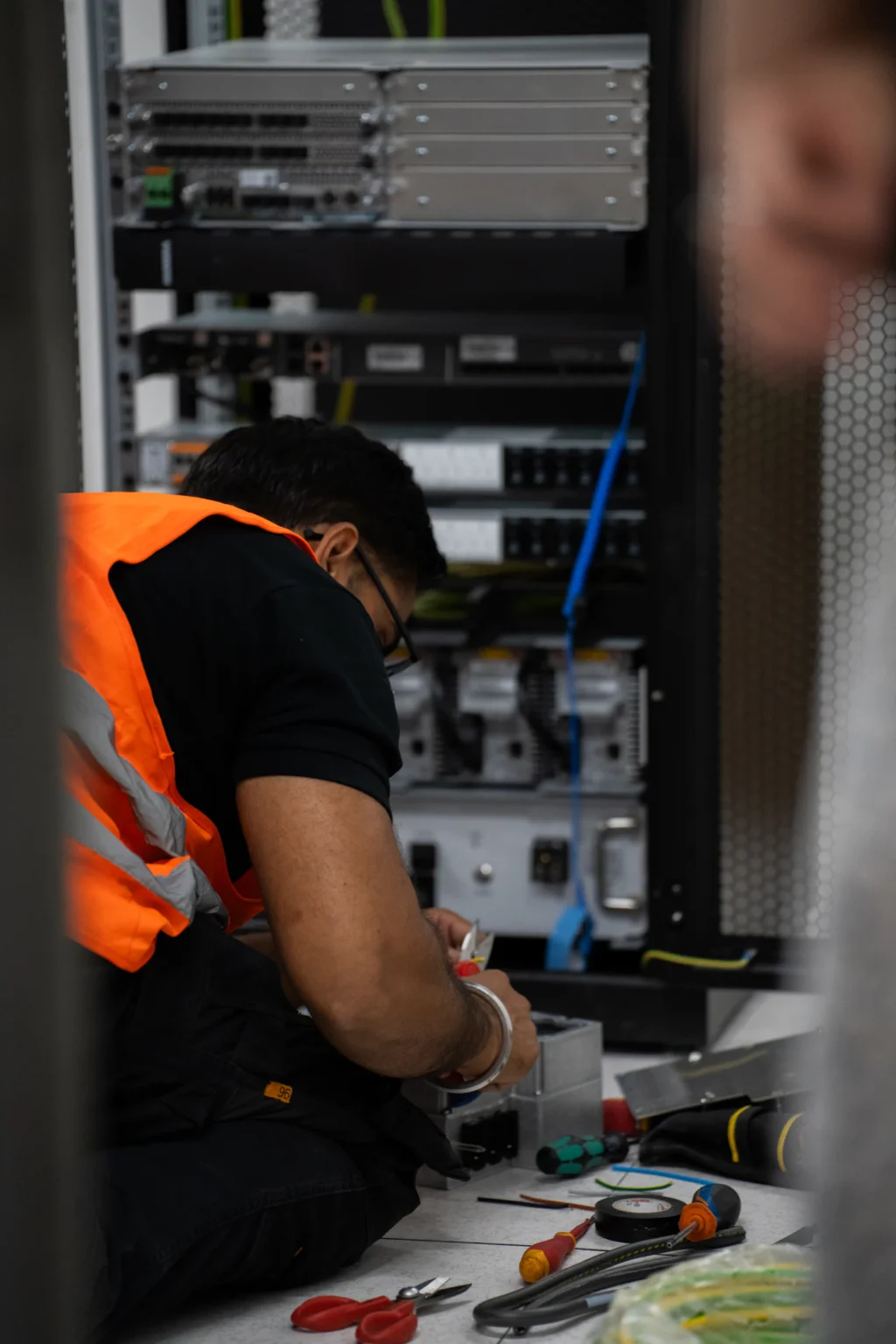
The One Untracked Hard Drive: A Chain of Custody Lesson in ITAD
An organization completed a successful office-wide technology refresh, and the gap it exposed shows exactly why chain of custody in ITAD matters so much. Hundreds of laptops, servers, storage devices, and networking equipment got collected for retirement and picked up by a third-party IT Asset Disposition (ITAD) provider.
Everything appeared to go according to plan.
A few weeks later, during an internal audit, one question changed everything: “Can you account for every retired drive?”
Most of the equipment was documented. Most of the serial numbers matched. But one hard drive couldn’t be traced.
No one knew exactly where it was, who last handled it, or whether someone had securely destroyed the data on it. That single missing asset created uncertainty far greater than its physical value. The organization now faced questions about data security, compliance, and accountability, all because one device fell outside the documented process.
This is why chain of custody is one of the most important elements of IT Asset Disposition. Retiring technology isn’t just about removing equipment from service. It’s about maintaining complete visibility over every asset until someone verifies and documents its final disposition.
Without a secure chain of custody, organizations aren’t simply retiring hardware, they’re introducing unnecessary risk into the final stage of the IT lifecycle.
The Problem: ITAD Chain of Custody Gaps Create Liability
Every retired IT asset passes through multiple hands before reaching its final destination, which is exactly why chain of custody in ITAD exists. It may get collected from an office, transported to a processing facility, inventoried, sanitized, evaluated for resale, recycled, or physically destroyed.
Every transfer creates an opportunity for mistakes if the process isn’t properly documented. Without a clear chain of custody, organizations may struggle to answer important questions such as:
- Where is the equipment right now?
- Who handled it during transport?
- Was it securely stored?
- Has the data been destroyed?
- What ultimately happened to the asset?
If those questions can’t be answered confidently, organizations lose visibility over assets that may still contain sensitive business information.
This lack of accountability can create unnecessary security concerns, complicate compliance efforts, and make it difficult to demonstrate proper handling during internal or external audits.
A missing laptop isn’t simply missing hardware. It could also represent missing customer information, employee records, financial data, or intellectual property. The liability often extends far beyond the replacement cost of the equipment itself.
Why Chain of Custody in ITAD Matters
Chain of custody gives organizations documented accountability throughout the IT asset retirement process. Rather than relying on assumptions, businesses maintain a continuous record showing exactly where every asset has been and who was responsible for it at each stage. This documentation supports several critical business objectives.
Protecting Sensitive Information
Retired devices frequently contain confidential information long after they leave production. Maintaining visibility throughout transportation and processing helps reduce the likelihood of unauthorized access before secure data destruction gets completed. Every documented transfer strengthens confidence that sensitive information stays protected throughout the retirement process.
Supporting Compliance
Many industries require organizations to demonstrate that information-bearing devices have been managed responsibly from retirement through final disposition.
A documented chain of custody provides evidence that organizations followed established procedures rather than relying on undocumented asset transfers. This documentation becomes especially valuable during audits, compliance reviews, or security investigations.
Improving Accountability
Knowing exactly where every asset is located eliminates uncertainty. Organizations can quickly verify which assets have been collected, processed, sanitized, resold, recycled, or destroyed. This visibility reduces confusion while improving overall project management during hardware refreshes and large-scale IT retirement initiatives.
Strengthening Customer Confidence
Customers trust organizations to protect sensitive information throughout its entire lifecycle. Maintaining documented control over retired IT assets shows a commitment to responsible data management, even after the equipment has left service.
What Is Chain of Custody in ITAD?
Chain of custody is the documented process of tracking every IT asset from the moment it’s removed from service until someone completes its final disposition.
Rather than recording only the beginning and end of the process, chain of custody creates a continuous history of every transfer, movement, and handling event. A complete chain of custody typically records:
- Asset identification
- Serial numbers and asset tags
- Collection date and location
- Individuals responsible for transfers
- Transportation details
- Processing milestones
- Data destruction activities
- Final asset disposition
- Supporting documentation and reports
This information creates an auditable record that organizations can reference whenever questions arise about how someone managed a particular asset. Instead of relying on memory or incomplete paperwork, businesses have documented evidence showing the complete lifecycle of every retired device.
The Five Stages of Chain of Custody in ITAD
Although every ITAD provider follows its own operational procedures, most chain of custody processes include five essential stages.
Stage 1: Secure Asset Collection
The process begins before equipment leaves the organization’s facility. Every asset scheduled for retirement should be inventoried using serial numbers, asset tags, and equipment descriptions. Collection teams verify the inventory before removing assets, ensuring every device entering the ITAD process has been documented from the start.
Stage 2: Secure Transportation
Once collected, technicians transport equipment using controlled procedures designed to maintain accountability throughout transit. They should document every transfer of responsibility so organizations know who handled the assets and when custody changed hands. This prevents uncertainty during transportation and reduces the risk of misplaced equipment.
Stage 3: Intake and Verification
When assets arrive at the processing facility, technicians inspect and reconcile them against the original inventory. They verify serial numbers, quantities, and equipment descriptions to confirm that every collected asset arrived safely and without discrepancies. This verification stage helps identify issues early, before processing begins.
Stage 4: Data Destruction and Asset Processing
Once someone verifies every asset, the next priority is protecting the information it contains. Data-bearing devices should undergo secure sanitization using appropriate methods before reuse, resale, or recycling. Throughout this process, organizations should continue maintaining documentation that records how each asset was processed and when data destruction was completed.
For equipment that still retains market value, processing may include testing and evaluation for refurbishment or IT buyback. Assets that have reached the end of their useful life proceed to responsible recycling through approved channels. Maintaining documented custody during this stage ensures organizations never lose visibility while assets move through different processing activities.
Stage 5: Final Documentation and Certificate
Chain of custody doesn’t end when the equipment leaves the processing facility. It ends when the organization receives complete documentation confirming the final disposition of every asset.
Final reporting may include:
- Verified asset inventory
- Data destruction records
- Certificates of destruction
- Asset disposition reports
- Recycling or buyback documentation
- Serialized reporting for individual devices
These records give organizations evidence that someone managed retired assets according to documented procedures, and they can reference them during future audits or compliance reviews. Complete documentation transforms the retirement process from a matter of trust into one of verifiable accountability.
How to Evaluate an ITAD Provider’s Chain of Custody
Not every IT Asset Disposition provider follows the same level of documentation and asset tracking. Before selecting a vendor, organizations should understand how the provider will manage assets from pickup through final disposition.
How Are Assets Tracked in an ITAD Chain of Custody?
A qualified ITAD provider should maintain documented asset tracking throughout every stage of the process. Organizations should understand whether the provider tracks equipment using serial numbers, asset tags, or other identification methods that provide complete visibility.
What Documentation Will Be Provided?
Ask what reports and documentation will be available once the project wraps up. Examples may include:
- Serialized asset reports
- Chain of custody documentation
- Certificates of destruction
- Asset disposition summaries
These records help support internal governance and future compliance needs.
How Is Transportation Managed?
Equipment often changes locations before processing begins. Organizations should understand how the provider maintains custody during transportation and what procedures exist to prevent misplaced or unauthorized asset transfers.
What Happens if an Asset Can’t Be Located?
Although robust processes minimize this risk, organizations should understand how the provider investigates, documents, and resolves discrepancies. Clear procedures demonstrate operational maturity and strengthen confidence in the provider’s overall process.
Common Mistakes That Break Chain of Custody in ITAD
Even well-planned retirement projects can create unnecessary risk when documentation gets overlooked.
Relying on paper inventories alone. Manual tracking methods increase the likelihood of transcription errors, incomplete records, and misplaced documentation. Maintaining accurate, serialized asset records throughout the process provides greater accountability.
Skipping asset verification. Collecting equipment without confirming inventory before transportation creates opportunities for missing assets to go unnoticed until much later in the project. Verifying equipment at every transfer point helps identify discrepancies immediately.
Treating documentation as an administrative task. Chain of custody documentation isn’t simply paperwork. It serves as evidence that someone managed every retired asset securely from beginning to end, and it may become one of the most valuable records during an audit or security investigation.
Choosing convenience over accountability. Organizations sometimes select disposal providers based solely on speed or cost without evaluating their asset tracking procedures. A provider’s ability to document every stage of the retirement process matters just as much as its ability to remove equipment efficiently.
Expert Insight on Chain of Custody in ITAD
Strong cybersecurity extends beyond active systems, it also includes every device leaving the organization, which is where chain of custody in ITAD becomes essential.
A documented chain of custody creates accountability throughout the retirement process by ensuring every asset remains visible from collection through final disposition. Combined with secure data destruction, detailed reporting, and responsible IT Asset Disposition practices, chain of custody helps organizations reduce uncertainty, strengthen compliance efforts, and retire technology with confidence.
The question isn’t simply whether someone destroyed the data. It’s whether your organization can prove exactly how every asset reached that outcome.
Frequently Asked Questions About Chain of Custody in ITAD
Organizations should receive documentation such as serialized asset inventories, chain of custody records, certificates of destruction, and final asset disposition reports.
Most professional ITAD providers track assets using unique identifiers such as serial numbers or asset tags, documenting every transfer throughout the retirement process.
A documented chain of custody helps identify where discrepancies occurred, letting organizations and providers investigate and resolve issues more effectively.
Yes, maintaining documented asset tracking and reporting helps organizations demonstrate accountability and supports audit and compliance requirements across many industries.
Protect Every Asset From Pickup to Final Disposition
Retiring IT equipment shouldn’t mean losing visibility over your assets. A documented chain of custody in ITAD helps ensure every server, laptop, storage device, and networking asset gets tracked, protected, and accounted for throughout the entire IT asset disposition process.
Talk to Silverback Communications to learn how our secure chain of custody procedures help protect sensitive data, strengthen compliance, and provide complete accountability from pickup through final disposition.
Want to see what proper documentation looks like? Download our Sample Chain of Custody Report to understand the records every organization should expect during an IT Asset Disposition project.
Keep reading
IT Equipment Lease Return: Avoiding Penalties and Data Risk
Plan your IT equipment lease return to avoid penalties and protect data with a clear, step-by-step process.
SSD Data Destruction Guide: Why SSDs Are Different
Why wiping fails on flash drives, and which methods actually remove your data from SSDs.

How to Choose an ITAD Vendor
The certifications, data security checks and red flags that separate a safe ITAD partner from a liability.