
Every business faces this decision: spend more on brand new equipment or save money with refurbished IT hardware. It’s not just about budget. The wrong choice can cost you productivity, reliability, and peace of mind.
Here’s what actually matters when making this decision.
The Real Cost Difference With Refurbished IT Hardware
Refurbished IT hardware typically costs 30% to 70% less than new equipment. That’s not a small difference on a business budget.
For example, a refurbished enterprise server that would cost $8,000 new might run $3,000 to $5,000 refurbished. Multiply that across desktops, laptops, networking equipment, and storage systems, and you’re looking at substantial savings.
But cost isn’t the only factor. You need to understand what you’re actually getting for that price difference.
Refurbished IT Hardware Performance: A Reality Check
Here’s something that surprises most business owners: quality refurbished equipment often performs just as reliably as new hardware.
Consumer Reports data shows that properly refurbished equipment from reputable sources actually has lower failure rates than brand new equipment. This happens because refurbished units go through extensive testing and quality control processes that new equipment doesn’t always receive.
The key word here is “properly refurbished.” Not all refurbished equipment is created equal.
Quality refurbished hardware typically runs for 3 to 5 years without issues. That’s enough for most business equipment refresh cycles.
New equipment will generally last longer overall, but for many businesses, the extra lifespan doesn’t justify the cost premium.
Warranty and Support for Refurbished IT Hardware
New equipment usually comes with 2-3 year manufacturer warranties. Refurbished equipment warranties are typically shorter, often 1 year or less.
This matters, but less than you might think.
Most hardware failures happen early (within the first few months) or late (after several years). The middle period, where most warranties apply, is actually when equipment runs most reliably.
Reputable refurbishers test their equipment extensively before sale, catching early-failure issues that might slip through on new equipment.
When Refurbished IT Hardware Makes Perfect Sense
Refurbished equipment is often the smart choice for:
• Standard business applications: Email, document editing, web browsing, basic database work
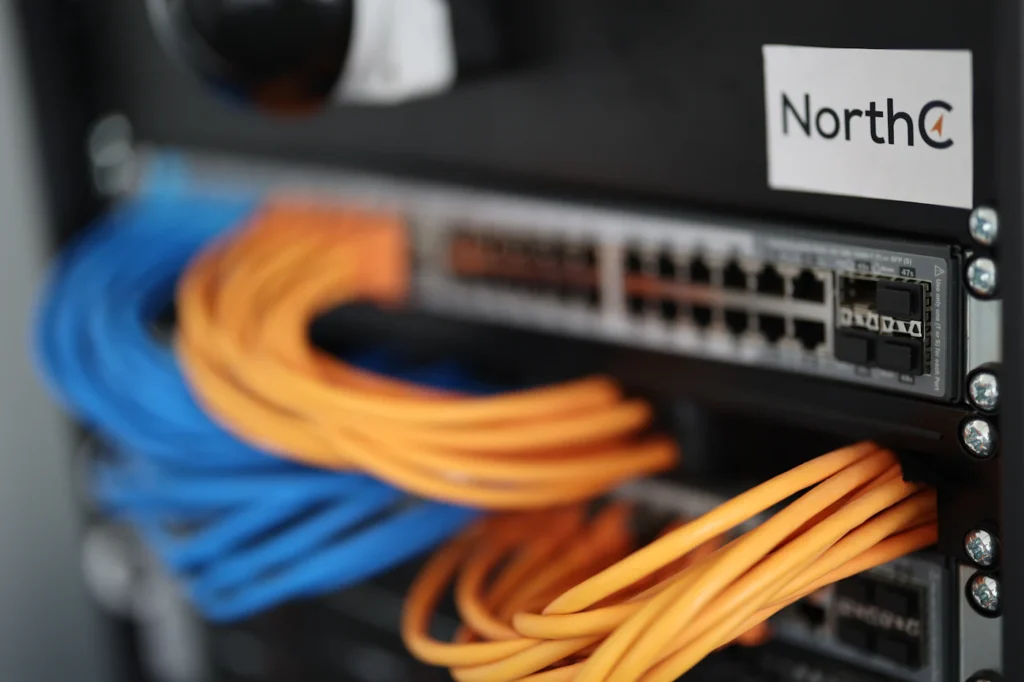
• Networking infrastructure: Switches, routers, and access points from major manufacturers
• Storage systems: Enterprise-grade storage arrays that are built to last decades
• Budget-conscious expansions: Adding workstations or upgrading existing systems
• Non-critical applications: Development environments, training labs, or backup systems
The performance difference between refurbished and new equipment is minimal for these use cases.
Red Flags to Avoid When Buying Refurbished IT Hardware
Not all refurbished equipment is worth buying. Watch out for:
Consumer-grade equipment sold as “business refurbished”: Consumer laptops and desktops aren’t built for business use, regardless of refurbishment quality.
No clear refurbishment process: Legitimate refurbishers can explain exactly what they do to restore equipment.
Unusually low prices: If it seems too good to be true, it probably is. Quality refurbishment costs money.
Limited or no warranty: Even refurbished equipment should come with some warranty protection.
Unclear sourcing: Equipment should come from known sources like corporate upgrades or lease returns, not unknown origins.
How Quality Refurbishing Actually Works
Professional refurbishment isn’t just cleaning and reselling. It’s a systematic process.
At Silverback Communications, our refurbishment process includes complete hardware diagnostics, component replacement where needed, and extensive testing under load conditions. We verify that all systems meet original manufacturer specifications.
This process weeds out equipment that won’t perform reliably. What passes becomes effectively “like new” in terms of performance and reliability.
We also maintain detailed records of each unit’s history, testing results, and any component replacements. This transparency helps you make informed decisions.
When New Equipment is Worth the Premium
Choose new equipment when you need:
Cutting-edge performance: Latest processors, maximum memory capacity, newest features
Extended manufacturer support: Direct access to manufacturer technical support and replacement parts
Specific warranty requirements: Some compliance requirements mandate new equipment with full manufacturer warranties
Latest security features: Newest hardware-level security implementations
Maximum lifespan: When you plan to use equipment for 5+ years
The key is matching your actual needs to the investment level.
Making the Right Choice for Your Business
The refurbished vs. new decision comes down to three questions:
- What performance do you actually need? Most business applications don’t require the latest hardware capabilities.
- How long will you use this equipment? If you refresh every 3-4 years, refurbished often makes more sense.
- What’s your risk tolerance? Both options are reliable when sourced properly, but new equipment offers more predictable long-term costs.
The Bottom Line
Quality refurbished equipment delivers reliable performance at significant cost savings for most business applications. The key is working with refurbishers who maintain professional standards and can document their processes.
New equipment makes sense when you need maximum performance, extended support, or have specific compliance requirements.
Either way, focus on total cost of ownership rather than just upfront price. Factor in expected lifespan, support costs, and productivity impact.
The right choice depends on your specific situation, not a one-size-fits-all answer.
Ready to explore your options? Silverback Communications can help you evaluate both new and refurbished solutions based on your actual business needs, not just price comparisons. Contact us to discuss your requirements.