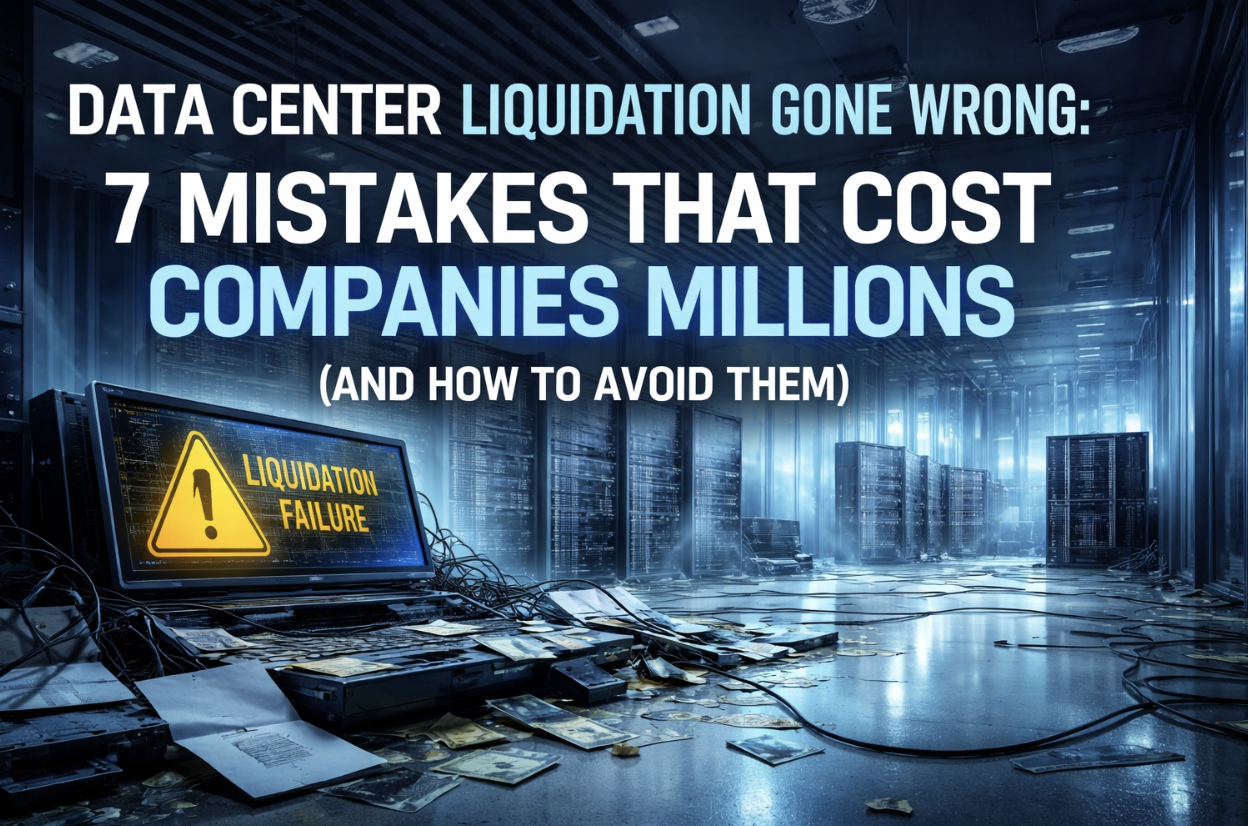
Data center liquidation seems straightforward. Shut everything down. Move the equipment out. Sell what you can. Recycle the rest.
But the reality? It’s where companies lose millions. Not from the liquidation itself: from the mistakes made along the way.
Morgan Stanley learned this the hard way. In 2016, they hired a moving company instead of a certified ITAD provider to decommission two data centers. The result: 15 million customers impacted and $163 million in fines and legal costs. Devices containing sensitive client data ended up resold online without proper data destruction.
This wasn’t a small oversight. It was a catastrophic failure in judgment.
At Silverback Communications, we’ve seen companies make similar mistakes: some recoverable, some not. Here are the seven most costly errors and how to avoid them.
Mistake #1: Hiring General Contractors Instead of ITAD Specialists
Your standard moving company handles boxes and furniture. They don’t understand chain of custody. They don’t know NIST 800-88 data sanitization standards. They don’t recognize the difference between a server worth reselling and one that needs physical destruction.
The Morgan Stanley case is the textbook example. But it happens at smaller scales constantly. Companies assume any vendor can handle equipment removal. They’re wrong.
The fix: Partner with certified IT asset disposition providers from day one. Look for R2v3 or e-Stewards certifications. Verify their data destruction protocols before signing any contract. Silverback Communications maintains the certifications and processes that protect your organization throughout the entire liquidation lifecycle.

Mistake #2: Inadequate Data Destruction Protocols
A major retailer paid $1.5 million in fines in 2023. The violation? Improperly disposing of servers containing unencrypted customer data.
Data destruction isn’t optional. It’s not something you “figure out later.” Every drive, every storage device, every piece of equipment with memory needs documented destruction before it leaves your facility.
The fix: Implement NIST 800-88 or DoD 5220.22-M destruction methods. This means proper wiping, degaussing, or physical shredding depending on the equipment and sensitivity level. Require serialized Certificates of Destruction for every asset. These documents should be audit-ready: because eventually, someone will ask for them.
Mistake #3: Overlooking Hidden Storage Devices
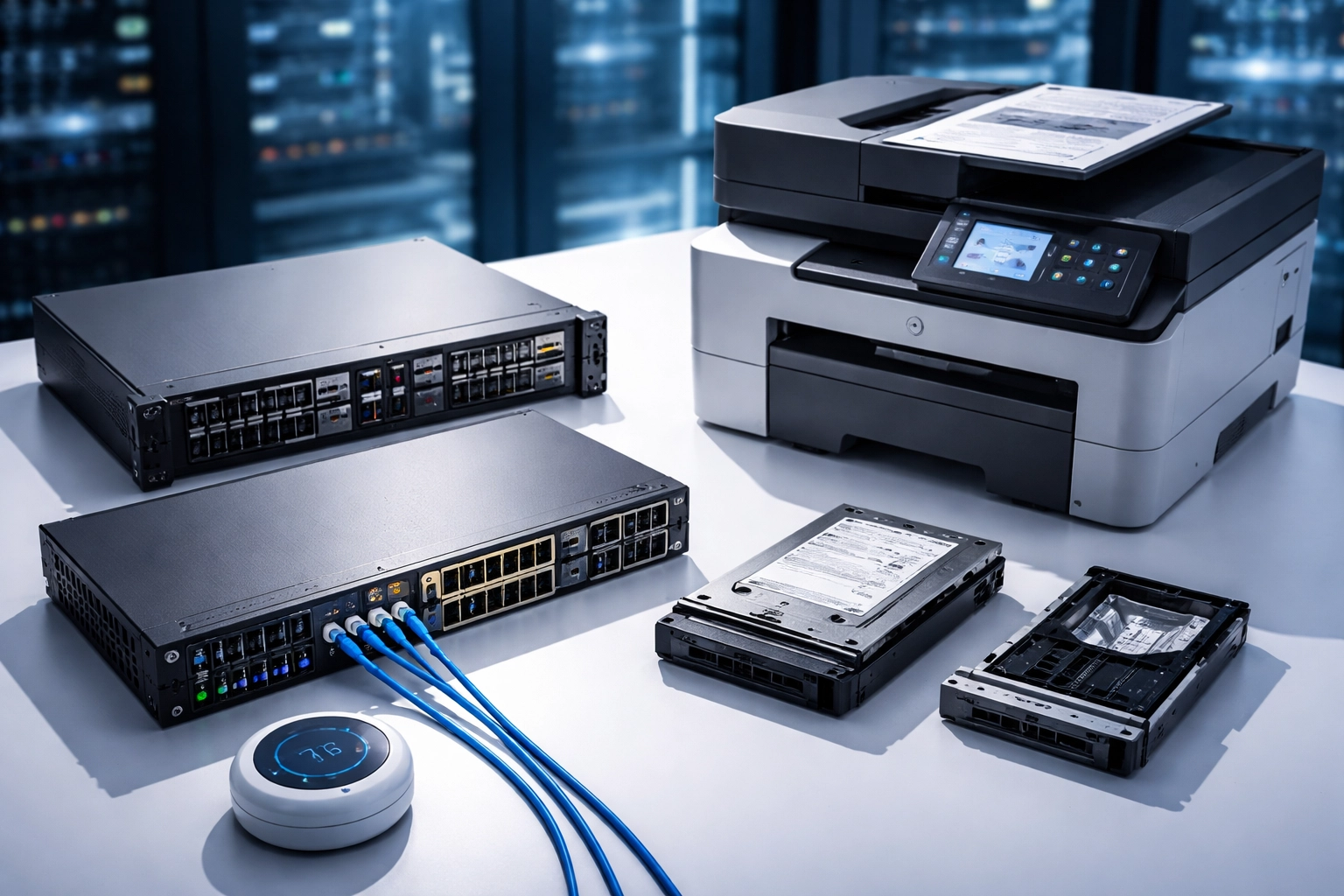
Servers and hard drives are obvious. But what about the printer in the corner? The network switches? The copiers with internal drives?
Modern connected devices store data in places most teams forget to check. One overlooked device can trigger a breach report and regulatory investigation. It doesn’t matter that you destroyed 10,000 drives correctly if one printer with cached data ends up at a liquidation auction.
The fix: Conduct comprehensive asset discovery before any decommissioning begins. Document every device type: not just traditional storage. Your inventory should include printers, copiers, networking equipment, smart devices, and anything else connected to your network. Silverback Communications helps clients identify these hidden risks before they become headlines.
Mistake #4: Broken Chain of Custody
Your equipment sits in a staging area for two weeks before pickup. The area isn’t secured. There’s no access log. No cameras. No documentation of who touched what.
This is where breaches happen. Not through sophisticated hacking: through simple physical access to unsecured equipment.
The fix: Lock down chain of custody from the moment equipment is powered off until final destruction or resale. This means secured staging areas, documented access logs, sealed transport containers, and GPS tracking during transit. Every handoff should be recorded. Every person who touches equipment should be logged. Silverback Communications maintains strict chain-of-custody protocols that create an unbroken audit trail.
Mistake #5: Poor Asset Tagging and Categorization
Equipment destined for resale gets sent to recycling. Equipment requiring destruction ends up at auction. Assets with remaining value get scrapped.
Without proper tagging systems, this happens more often than anyone wants to admit. The result is compliance violations, data exposure, and lost revenue.
The fix: Categorize and label all equipment before the decommissioning process begins. Every asset should have a clear designation: resale, refurbishment, recycling, or destruction. Use barcode or RFID systems to track equipment through each stage. Your IT hardware buyback partner should provide detailed reporting on every asset’s disposition.

Mistake #6: Using Non-Certified E-Waste Recyclers
Not everything in your data center has resale value. Old equipment, damaged drives, and obsolete hardware still need proper disposal. But “proper” has a specific meaning here.
EPA e-waste mandates and environmental regulations aren’t suggestions. Sending electronics to non-certified recyclers creates liability that can surface years later. When that equipment ends up in a landfill overseas, your company’s name is attached to it.
The fix: Work exclusively with R2v3 or e-Stewards certified recyclers. These certifications verify that recyclers meet strict environmental and data security standards. Silverback Communications maintains these certifications and provides documentation proving compliant disposal of all equipment.
Mistake #7: Defaulting to Scrapping Instead of Strategic Recovery
Here’s where companies leave the most money on the table.
Standard liquidation auctions typically recover 10-20% of original equipment value. That’s the default path. It’s also the least profitable one.
Enterprise IT recycling and IT hardware buyback programs can recover significantly more: if you plan strategically. Equipment condition, market demand, and timing all affect returns. Most companies don’t optimize for any of these factors.
The fix: Develop a strategic asset liquidation plan before decommissioning begins. Evaluate equipment condition. Research current market values. Identify components with remaining useful life. Silverback Communications specializes in maximizing recovery value while maintaining full compliance standards. We don’t just move your equipment out: we help you get the best possible return on assets you’ve already invested in.

Building a Liquidation Process That Actually Works
The companies that avoid these mistakes share common practices:
- They start planning early. Liquidation timelines get compressed when leases end or facilities close. Starting 6-12 months ahead prevents rushed decisions.
- They partner with specialists. ITAD isn’t a side business for Silverback Communications: it’s our core expertise. We handle data center liquidation for some of the biggest brands in telecommunications and enterprise IT.
- They document everything. Audit trails protect you when questions arise later. And questions always arise.
- They balance security with value recovery. Destroying everything is safe but wasteful. Selling everything is profitable but risky. The right partner helps you find the balance.
The Real Cost of Shortcuts
Data center liquidation mistakes don’t just cost money in fines. They cost reputation. They cost customer trust. They cost executive attention that should be focused on growth, not damage control.
The Morgan Stanley case resulted in regulatory settlements, class action lawsuits, and years of negative headlines. All because they hired the wrong vendor.
Your liquidation doesn’t have to go that way.
Partner With Silverback Communications
Silverback Communications provides comprehensive IT asset disposition services for enterprise clients across the country. From secure data destruction to IT hardware buyback, we handle every stage of data center liquidation with the precision and documentation your compliance team requires.
We’re not a moving company. We’re not a generalist recycler. We’re specialists in turning your data center transition into a secure, profitable, and fully documented process.
Ready to discuss your upcoming liquidation project? Contact Silverback Communications for a consultation. We’ll help you avoid the mistakes that cost other companies millions.